Recycling and Sustainability at Tottenham Storage
 Tottenham Storage is committed to a practical, local approach to recycling and sustainability that supports customers, nearby businesses, and the wider community. In a busy North London setting, storage can generate a surprising amount of reusable, recyclable, and recoverable material, so our operations are designed to keep waste streams organised from the start. Our Tottenham storage recycling approach focuses on reducing landfill, improving reuse, and making sure materials are separated efficiently before they leave site.
We have set a clear recycling percentage target of 85% for operational waste, with the aim of steadily improving year by year. This target covers packaging waste, old fixtures, cardboard, plastics, metals, and surplus items that can be directed to reuse or specialist recycling partners. By measuring performance and improving sorting processes, Tottenham Storage sustainability practices help ensure that a higher proportion of material is recovered instead of discarded.
Local waste management also shapes how we work. In the surrounding boroughs, residents and businesses are increasingly encouraged to separate dry mixed recycling, food waste, and general refuse into distinct streams. We reflect that borough-level approach within our own procedures by keeping cardboard separate from film plastics, wooden items separate from metal offcuts, and reusable goods separate from unrecoverable waste. This simple discipline makes a meaningful difference when materials reach the next stage of processing.
 A key part of our sustainability strategy is choosing the most appropriate local transfer stations and recycling facilities for each material type. By using nearby waste transfer stations in North London and the wider borough network, we reduce unnecessary transport distance and help lower the carbon impact of waste movements. Shorter journeys also make it easier to route loads to specialist outlets for wood, cardboard, rigid plastic, and scrap metal recycling.
Where possible, loads are consolidated before travel so fewer vehicle movements are required. This is especially useful for items commonly generated through self-storage activity, such as broken shelving, used wrapping materials, office clear-outs, and end-of-tenancy disposals. Tottenham Storage recycling services are therefore designed not only around disposal, but around recovery and reuse at the right stage of the process.
 We also maintain strong partnerships with charities and community organisations that can give a second life to suitable items. Furniture, household goods, books, and other reusable materials are directed to charity partners whenever they meet donation criteria. This supports local households and community projects while keeping useful items out of the waste stream. In practical terms, recycling in Tottenham works best when it includes reuse first, recycling second, and disposal last.
Our charity partnerships are selected for their ability to handle a range of everyday items, from office chairs and storage boxes to kitchenware and lightly used home contents. For customers clearing units, moving premises, or downsizing, this creates a more responsible end point for good-quality belongings. It also aligns with the borough’s wider emphasis on reuse networks and waste reduction, which continues to grow across North London. When an item can be used again, it should be used again.
 Transport is another major area where sustainability matters, which is why we use low-carbon vans across much of our collection and delivery work. These vehicles are selected to reduce emissions, improve fuel efficiency, and support cleaner local logistics. In a dense urban area like Tottenham, where journeys can be short but frequent, low-emission vehicles make an especially useful contribution to lower-carbon operations.
Our van fleet helps with the movement of recyclable materials to transfer stations and recovery partners without relying on older, higher-emission vehicles. We also plan routes carefully to avoid repeated trips and unnecessary idling. This can be particularly effective for recycling activity involving bulky cardboard, packaging wrap, or mixed household items that need scheduled collection and sorted unloading on arrival.
In line with borough expectations, we pay close attention to how different waste streams are separated before they enter the wider system. Cardboard is compacted and kept dry, plastics are sorted by recoverability, metals are isolated for scrap processing, and wood is separated where possible for reuse or specialist recovery. This reflects a broader local culture of waste separation, where mixed disposal is being replaced by more thoughtful sorting and cleaner recycling output.
Our Tottenham Storage sustainability policy also includes regular staff training so that everyone understands how to handle recyclable materials correctly. Clear labels, colour-coded bins, and designated collection areas help keep contamination low. That matters because contamination can reduce the quality of recycled material and limit what can be recovered at transfer stations or downstream facilities. Better separation at source means better results later.
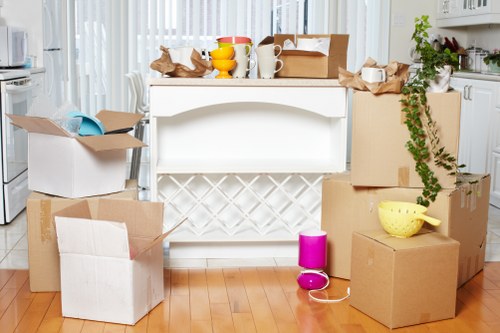 The recycling and sustainability work at Tottenham Storage is designed to be steady, practical, and measurable. Whether the task involves rehoming reusable items through charities, sending sorted materials to local transfer stations, or using low-carbon vans to cut transport emissions, the goal is the same: keep valuable resources in circulation for longer. Responsible storage is not just about space; it is about making everyday operations more efficient and more environmentally aware.
As local boroughs continue to strengthen their waste-separation systems and improve recycling performance, Tottenham Storage is proud to do its part through active material recovery, charity partnerships, and cleaner logistics. By maintaining our recycling percentage target and investing in better sorting and transport practices, we aim to support a more sustainable North London for the long term.